
Plan Tours That Make Sense
Practice turning a rough travel idea into a workable itinerary with clear routes, realistic timing, budget checks, lodging notes, activity blocks, and traveler details.
Tour Planning With Practical Checks
Route Logic
Compare stops, transfers, and walking distance before a route looks finished.
Timing Windows
Add arrival windows, meal breaks, rest time, and check-in limits to each tour day.
Budget Tables
Estimate transport, lodging, entrance fees, meals, baggage, and a small cost buffer.
Traveler Notes
Write meeting points, departure times, packing notes, documents, and backup details.
What New Planners Notice
“I used to list attractions without checking the route. The course helped me add transfer time, rest breaks, and a clearer order for each stop.”
“The budget practice made hidden costs easier to see. I now separate transport, entrance fees, meals, and a small buffer before sharing a
plan.”
“I liked learning how to write traveler notes. Meeting points, check-in times, weather backups, and packing details became much easier to organize.”
Build A Workable Itinerary
Practice the parts of tour organization that make a route easier to follow before the trip begins.

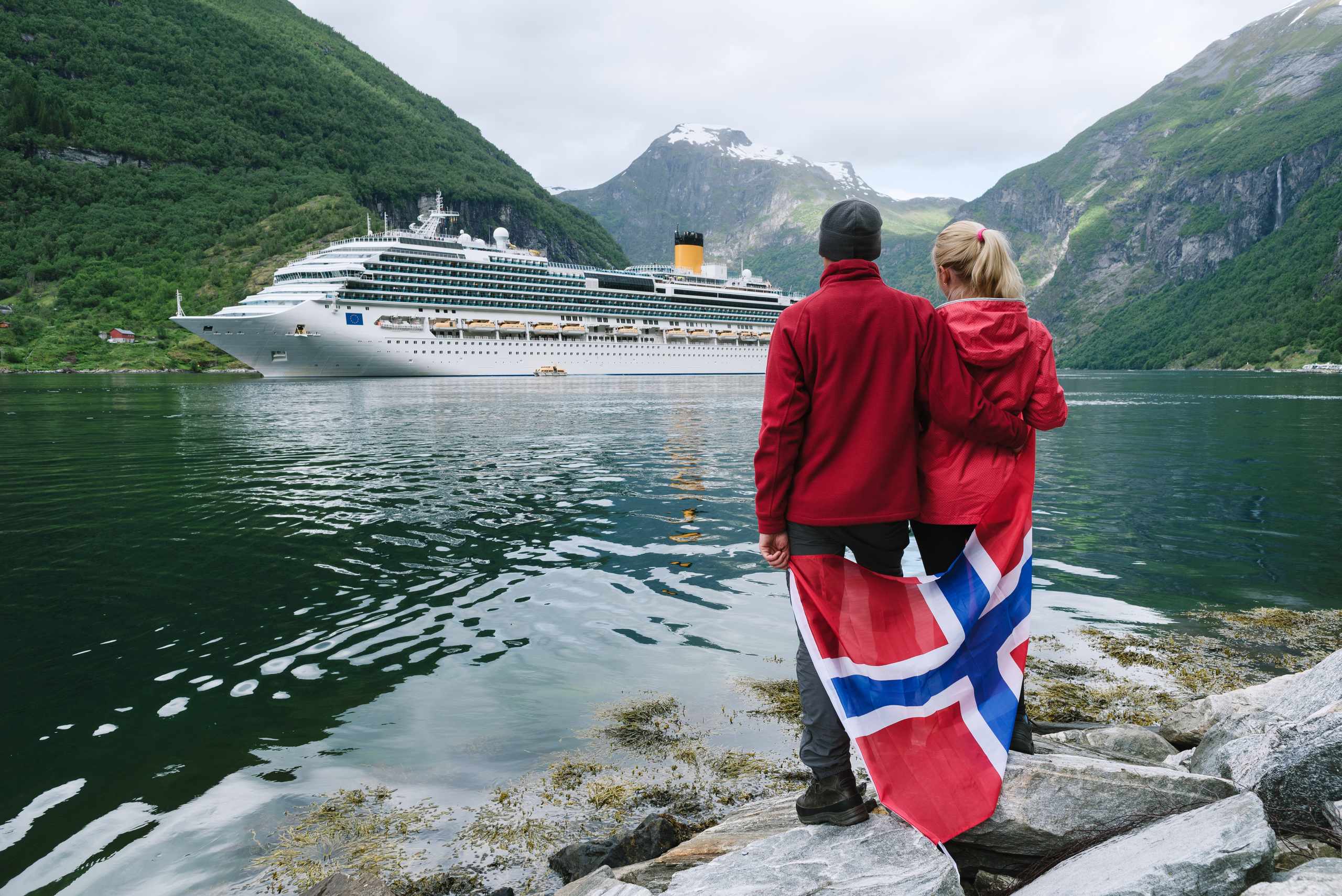
One-Day Route
Plan three realistic stops with travel time, walking distance, arrival windows, and meal space included.
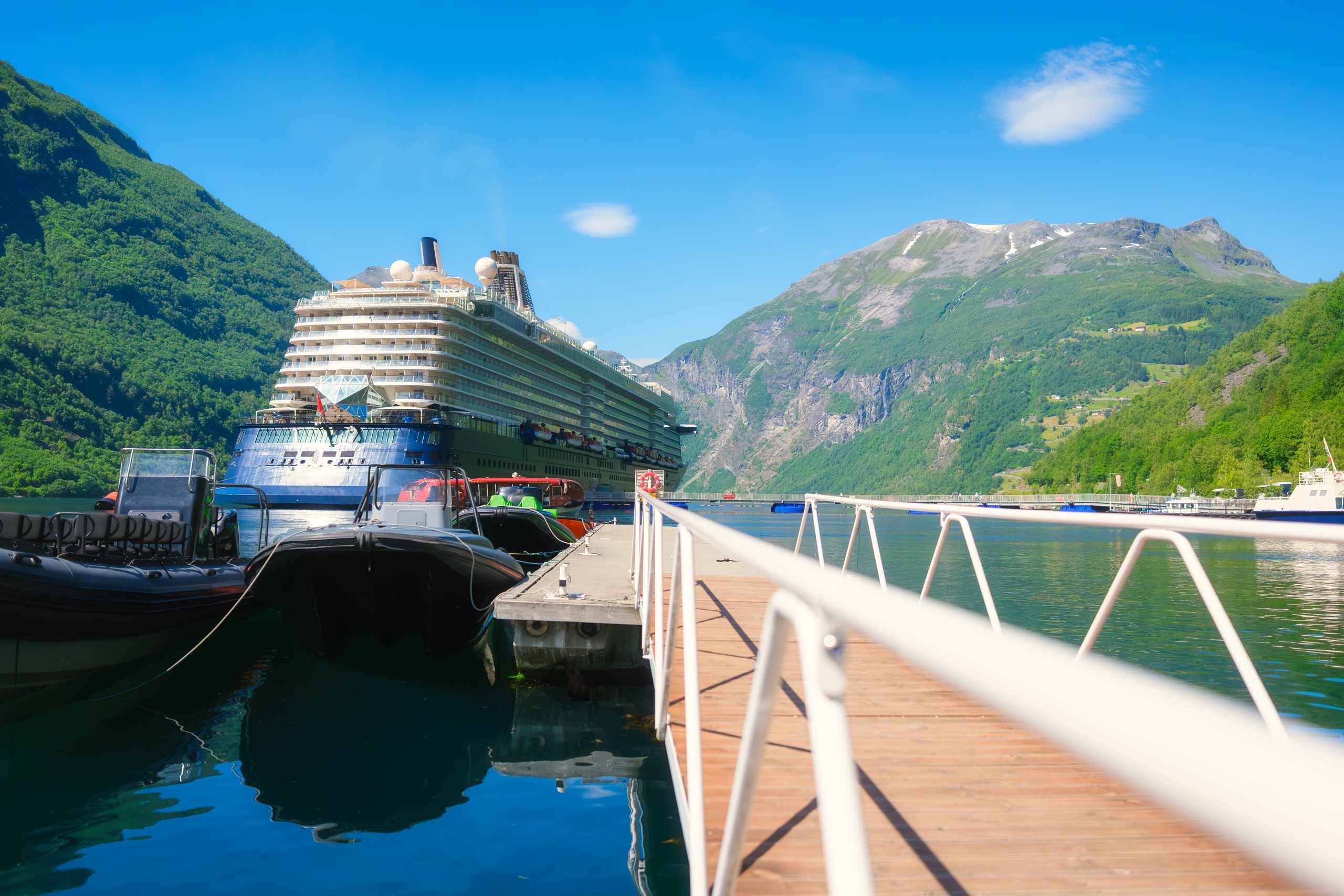
Cost Estimate
Use a simple budget table to separate fixed costs, variable costs, extra fees, and a small buffer.
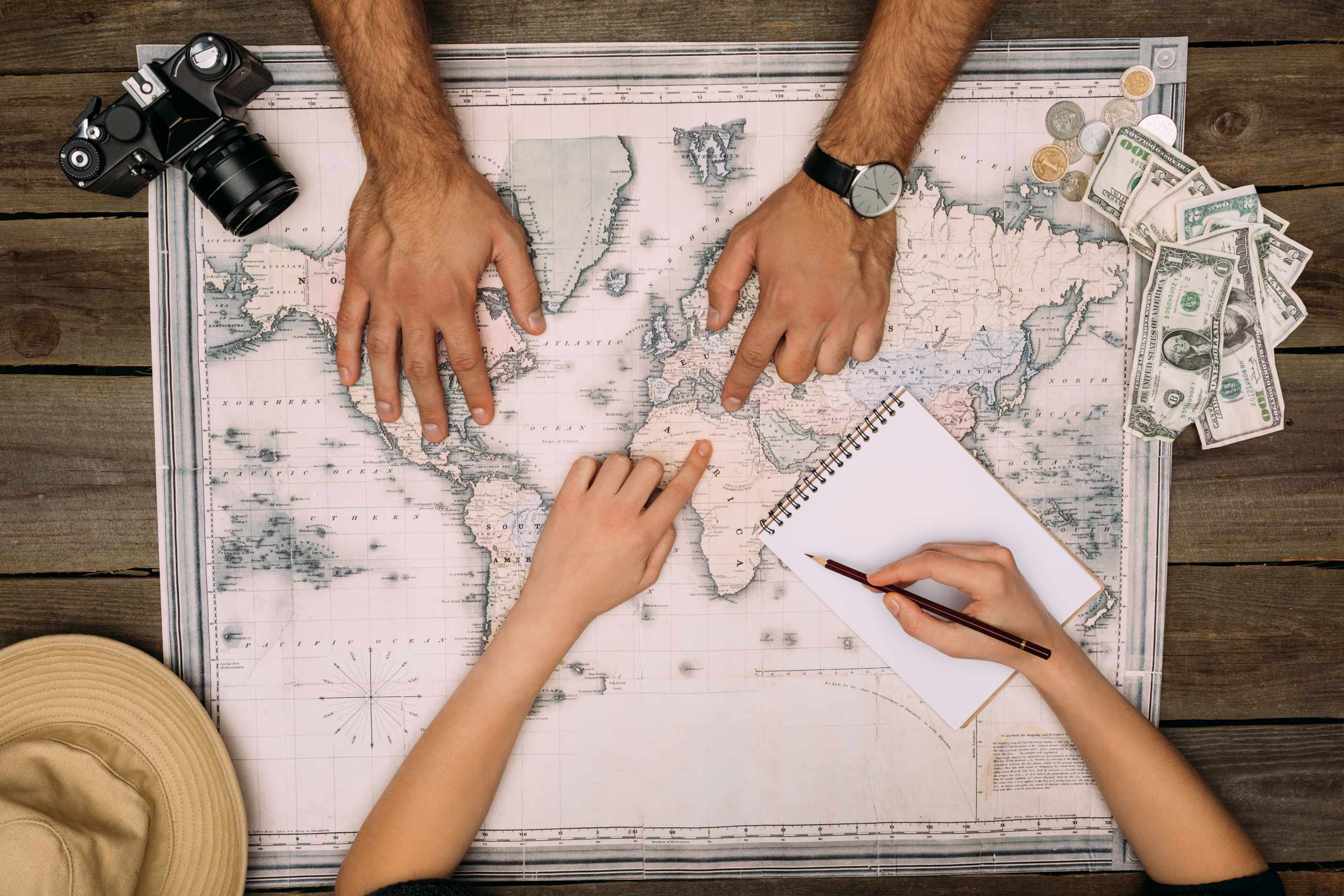
Backup Plan
Prepare one weather or closure alternative so a delayed activity does not break the whole itinerary.
Ready To Shape Your First Tour Plan?
Ask about the course format, the planning tools used, and the best starting point for practicing routes, budgets, timing, and traveler notes.
Frequently Asked Questions
What tools are useful for the course?
A map app, calendar, spreadsheet, and simple notes are enough for most practice tasks. You may also use an itinerary template, budget table, opening-hours checklist, and folder for booking confirmations while learning how to keep tour details organized.
Do I need travel industry experience?
No professional travel background is assumed. The course is built around practical planning exercises such as choosing a route, estimating timing, comparing lodging locations, checking transport options, and writing clear traveler information.
Will this teach commercial tour licensing?
The course focuses on beginner tour organization practice, not legal licensing, insurance, certification, or financial promises. It helps you understand planning basics such as itineraries, route checks, cost categories, traveler notes, and backup options.
What will I practice first?
A good first exercise is a one-day sample tour with three stops. You add transfer time, rest breaks, meal windows, estimated costs, meeting points, and one backup activity so the plan becomes easier to read and adjust.